Shipment tracking is no longer just a logistics feature—it’s a core part of the eCommerce customer experience.
When customers place an order online, their next expectation is simple: clear visibility into where their order is and when it will arrive. For eCommerce businesses, shipment tracking bridges the gap between checkout and delivery, helping build trust, reduce customer support load, and improve operational efficiency.
This guide explains what shipment tracking is, how it works, why it matters for eCommerce, and how modern brands use it at scale.
What Is Shipment Tracking?
Shipment tracking is the process of monitoring and displaying the real-time movement and delivery status of an order as it travels from the seller to the customer.
It uses a unique tracking number assigned by a courier partner to record shipment events such as dispatch, transit, out-for-delivery, delivery, delays, or returns. These updates help both businesses and customers stay informed throughout the delivery journey.
In eCommerce, shipment tracking plays a critical role in post-purchase communication and customer confidence.
How Shipment Tracking Works in eCommerce
Shipment tracking follows a predictable flow, regardless of courier or geography.
Step 1: Order Dispatch
After an order is packed and handed to a courier partner, a tracking number is generated and linked to that shipment.
Step 2: Courier Scans & Status Updates
As the parcel moves through fulfillment centers, transit hubs, and delivery routes, the courier scans it at each stage. These scans update the shipment status.
Step 3: Tracking Data Is Shared Digitally
Courier systems make tracking data available via their platforms or APIs, enabling real-time visibility.
Step 4: Customers & Businesses View Shipment Status
Tracking information can be viewed:
- On courier websites, or
- On a centralized shipment tracking system integrated with the brand’s website or dashboard
Modern eCommerce brands prefer centralized tracking to avoid fragmentation and confusion.
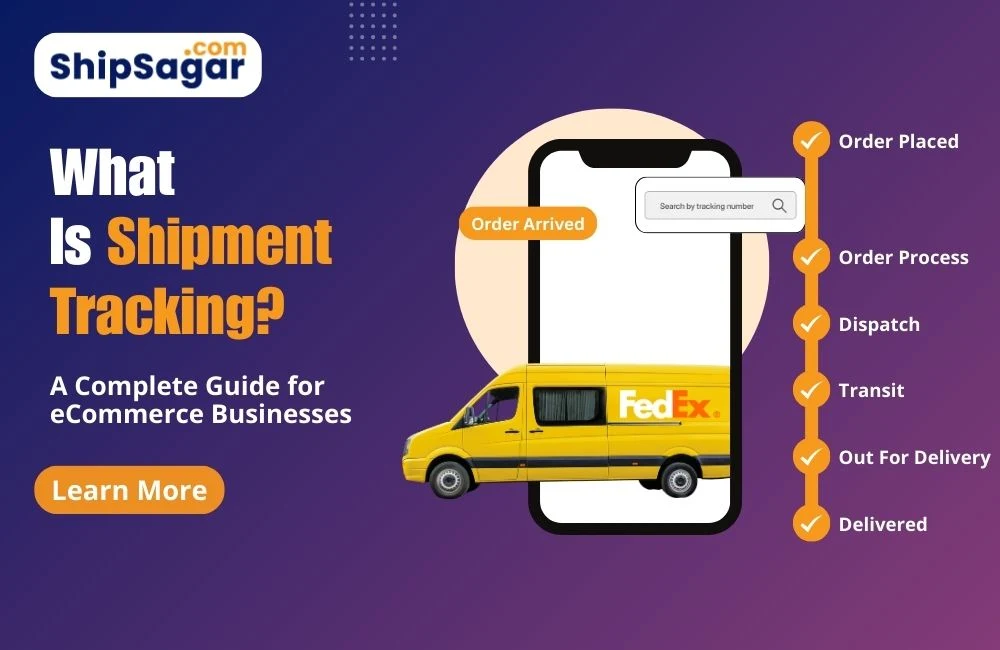
Common Shipment Tracking Statuses Explained
Understanding shipment statuses helps businesses respond faster and communicate clearly with customers.

- Shipment Booked / Manifested – Shipment information submitted to the courier
- In Transit – Package is moving between locations
- Out for Delivery – Delivery agent is attempting delivery
- Delivered – Order successfully delivered
- Undelivered / Exception – Delivery attempt failed due to an issue
- RTO (Return to Origin) – Shipment is being returned to the seller
Clear explanations of these statuses reduce customer anxiety and support tickets.
Why Shipment Tracking Is Important for eCommerce Businesses
Shipment tracking directly impacts customer satisfaction, brand perception, and operational control.
Improves Customer Trust
Customers feel more confident when they can see accurate delivery updates instead of waiting in uncertainty.
Reduces “Where Is My Order?” Queries
Transparent tracking significantly reduces repetitive customer support questions, saving time and resources.
Enhances Post-Purchase Experience
The shopping journey doesn’t end at checkout. Shipment tracking keeps customers engaged after payment.
Enables Faster Issue Resolution
Real-time visibility helps operations teams identify delays, failed deliveries, or courier issues early.
Supports Data-Driven Logistics Decisions
Tracking data reveals courier performance trends, delivery timelines, and return patterns.
Challenges With Traditional Courier Tracking
Many eCommerce businesses rely solely on individual courier websites for tracking, which creates friction.
Common issues include:
- Customers being redirected away from the brand’s website
- Inconsistent tracking experiences across couriers
- No single view for operations or support teams
- Difficulty managing bulk shipments
- Limited analytics and performance insights
As businesses scale and work with multiple courier partners, these limitations become more pronounced.
What Is Centralized Shipment Tracking?
Centralized shipment tracking consolidates tracking data from multiple courier partners into one unified system.
Instead of checking multiple courier portals, businesses can:
- Monitor all shipments from one dashboard
- Offer customers a branded tracking page
- Manage thousands of tracking numbers efficiently
- Receive real-time alerts for delays or exceptions
This approach simplifies logistics while improving customer experience.
Shipment Tracking for Multi-Courier eCommerce Operations
Most eCommerce brands use multiple courier partners to optimize delivery speed, coverage, and cost. While this improves logistics flexibility, it also increases tracking complexity.
A multi-carrier shipment tracking platform:
- Normalizes tracking statuses across couriers
- Provides consistent updates to customers
- Eliminates manual tracking efforts
Platforms like ShipSagar are built for this environment, allowing businesses to track shipments across 500+ Indian and global couriers from a single interface.
How Shipment Tracking Impacts Brand Experience
Shipment tracking is part of your brand identity.
When customers track orders on courier websites, the brand disappears from the experience. When tracking happens on a branded tracking page, the brand stays visible throughout the delivery journey.
Branded shipment tracking helps:
- Reinforce brand trust after purchase
- Maintain consistent communication
- Improve repeat purchase likelihood
For modern eCommerce brands, tracking is not just logistics—it’s customer experience.
Key Features to Look for in Shipment Tracking Software
When evaluating shipment tracking solutions, businesses should consider:
- Real-time multi-courier tracking
- Branded order tracking pages
- Bulk shipment upload via Excel or CSV
- AI-powered delivery predictions and alerts
- Secure APIs for website, ERP, or app integration
- Analytics for courier performance and delivery trends
These features ensure scalability as order volumes grow.
Final Thoughts
Shipment tracking is a foundational element of successful eCommerce operations. It improves transparency, reduces customer support pressure, and strengthens brand trust.
As logistics networks become more complex, businesses need smarter, centralized ways to manage shipment visibility and customer communication.
Solutions like ShipSagar help eCommerce businesses track shipments across multiple couriers, provide branded tracking experiences, and gain actionable delivery insights—starting with a free plan.
Start Tracking Shipments the Smarter Way
Give your customers real-time shipment visibility on your own website.
Start free with ShipSagar — no credit card required.